
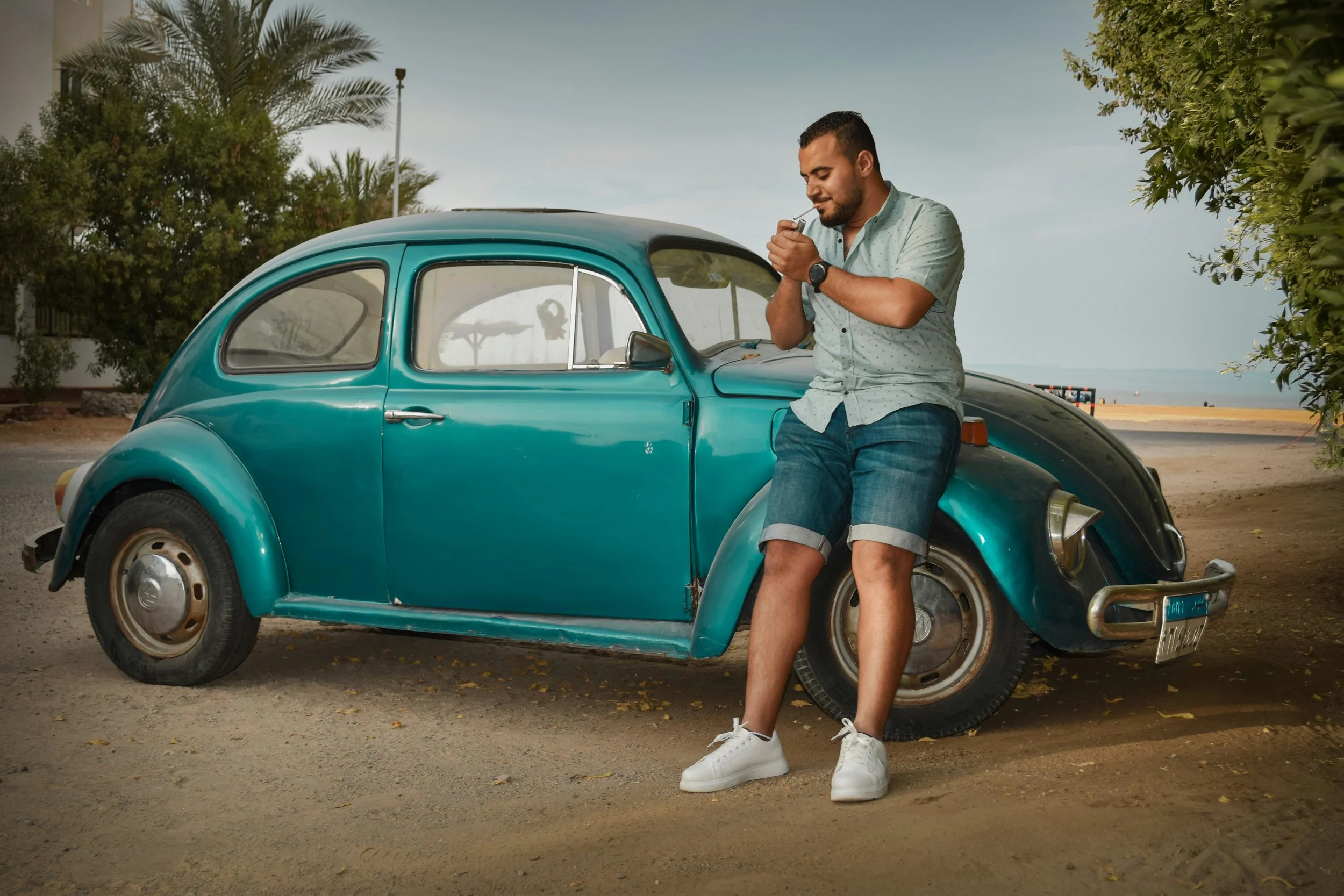
In the past, fashion was primarily seen as a declaration of wealth and hierarchy. If you owned a new style, you fell into the category of "wealthy." Today, fashion is considered a form of self-expression, allowing individuals to be unique and stay true to who they are. However, fast fashion brands like Zara and H&M create campaigns and clothes that revolve around "nostalgia."
The fashion industry promotes individuality by providing clients with nostalgic pieces and 2000s fashion, also known as Y2K style, but this is contradictory. By pushing one style and focusing on one campaign, brands take away individuality and make everyone look the same. Nostalgia fashion marketing is seen by everyone as a way to express who they are, but in this article, we will investigate how it's turning everyone into a copy of the past.
How Does Fashion Utilize Nostalgia Marketing?
New fashion has always been known to be old styles presented in new ways, but lately the recycling of styles has been excessive. Bringing the feeling of nostalgia drives sales. People are willing to experience eras in which they didn't exist, they like to fill the void of FOMO (Fear of Missing Out), increasing their willingness to spend. According to Fred Davis, a fashion researcher, during uncertain times, longing for comfort and identity in humans connects to nostalgia.
The past years have been uncertain for everyone, especially Gen Z's, the main consumers of fast fashion brands. Ever since the 2020 pandemic, social media pressure and constant TikTok trends which ask users to upload a video with a certain sound (if you ask me, another marketing scheme) at the start of every month for "good luck", have made our generation more uncertain about themselves, their lives and their future, because they all depend on what social trends dictate for them. So, it only feels right for people to stick to something that feels familiar or is seen as "good times."
Brands which first brought back the early 2000's looks are Diesel and Miu Miu, which was then caught on by Forever 21, Hollister and others. Whereas luxury brands like Gucci and Prada released campaigns revolving around "timelessness," which is a tactic of marketing psychology. Nostalgia is like the classic adage: "marketing is BS, but it's BS that works."
Nostalgia marketing works in a similar way. Nostalgia marketing is safe, and it's safety that sells.
The Illusion of Individuality
Brands market nostalgia as an expression of freedom, but have you ever walked around the streets of downtown? No matter which city you are in, everyone looks the same, they are sold the same version of individuality. The biggest example of this is the Y2K trend. The whole style and trend was once seen as an act of rebellion, but now it's just a trend which is mass-produced by fast fashion brands.
Everyone wears the same low-rise jeans, oversized cargo pants and layered crop tops. When everyone is feeling nostalgic about the same thing, the concept of individuality disappears. Yes, it's authentic, but is it really everyone's personality? The trend which once was created for people to stand out became a known uniform.
Nostalgia Is Lazy Marketing
So where did it all start? How did we get here? Nostalgia is a known low-risk but high-reward marketing tactic. Fashion brands don't always sell out their collections and those are kept in their archives, so it's much easier for them to bring back old styles than inventing and creating something new.
An example of a brand for whom it worked just fine is Adidas. When they re-released the Samba sneakers, which are known to portray vintage aesthetics, their brand awareness increased and they started to make much more sales. This worked because people have already developed a personal connection to those items.
While this brought a lot of sales for them, relying on nostalgia generates a creative block in marketing because brands just end up remixing old ideas. Raf Simons, a known designer, once mentioned "If we only look back, we forget to look ahead."
The Psychology of Nostalgia Marketing
Even when everything seems the same, social media doesn't seem to disappoint. Nostalgic trends never die down in the universe of social media. TikTok challenges, Instagram aesthetics and Pinterest boards are the main sources of fashion inspiration. So when the algorithm decides to promote what's popular instead of what's new, vintage Y2K trends, customers keep seeing them and reposting, which creates more traction.
So, what started as creative idea development turned out to be digital group stagnation. Research by McKinsey & Company showed to us that new trends now move 3 times faster than they used to before. (2024) New trends aren't a form of self-expression anymore, instead they are all a part of the attention economy.
Every human behavior has a psychological motive behind it, so why are people so drawn towards nostalgic marketing? Psychologists have proven that nostalgia gives people a sense of stability and belonging. Wearing a trend and style which feels familiar eases up anxiety when everything else is unstable in life. However, marketers use that emotional need to boost sales. They are aware that consumers would purchase items that give them a sense of security or feeling "seen."
The irony is that, despite nostalgia's promise of individualism, it often leads people to rely on likes, followers, and social acceptance. Unfortunately, in today's society self-expression is no longer important, nowadays it's more about fitting into a common definition of "different" looks.
A Better Way Forward for Nostalgia Marketing
Not every form of nostalgia marketing is seen to be negative. Some designers utilize it as inspiration rather than imitation. Companies like Marc Jacobs' Heaven and Collina Strada experiment with nostalgia by mixing different fashion eras and giving them new vision. They are recreating the past in new forms instead of just simply replicating it and selling it as something new when it's not.
This is also possible for marketers. They can market nostalgia as "this is how you can play with the past" rather than "this is who you should be." Promoting personal styling, upcycling, and customization, for instance, might assist customers in personalizing nostalgic appearances. Nostalgia in this aspect focuses on providing the customers with the opportunity to create new identity from something old.
Conclusion
Nostalgia marketing is here to stay. But when will we stop repeating and begin to reinvent if every decade is repeated? Fashion doesn't have to give up on the past, but it must be kept in mind that people can only express themselves effectively when they are given the freedom to be who they are.
Nostalgia might ultimately be consoling, but originality shouldn't be sacrificed for comfort. If everyone is expressing themselves in the same way, perhaps it's time to consider who controls that expression, the brand or the customer?
Photo by Ahmed Elnokrashy on Unsplash

About The Author
Menli Karabayeva is a business student currently pursuing her marketing studies at Hult International Business School, where she explores the intersection of fashion, marketing, and consumer behavior. Her work explores how emotional marketing strategies—particularly nostalgia—shape consumer behavior and influence ideas of identity and self-expression. Through academic research and creative analysis, Menli examines the intersection of fashion, marketing, and psychology, questioning how trends are constructed, sold, and internalized in today’s attention-driven economy
References for Japanese Cultural Products on The Global Stage
Noh, S. S. (2020). Co-opting the nation brand: The politics of cross-cultural co-production. International Journal of Cultural Studies, 23(6), 860-878.
Dwiputri, C., & Aprilianty, F. (2022). The Impact of the Collaboration Between UNIQLO and Japanese Anime/Manga for its UT Collection Towards Brand Loyalty in Indonesia. Asian Journal of Research in Business and Management, 4(3), 273-282.
Green, L. (2022). From score to song—The rise of the'star composer'and the role of music in contemporary anime (Doctoral dissertation, SOAS University of London).
Pashchenko, B., Kyrylova, O., Pavlenko, V., & Blynova, N. (2021). The implementation of a new pop cosmopolitanism concept in the process of mediatization of Japanese mass culture. Pashchenko, B., Kyrylova, O., Pavlenko, V., & Blynova, (2021), 179-192.
Muto, T. (2019, May 7). Harnessing the marketing power of Japanese anime. Branding in Asia Magazine.
Groupsjr. (2018, November 28). How anime has helped Japanese music go global. Spotify.
The most highly anticipated anime of 2023: Culture. Metropolis Japan. (2023, January 25).
